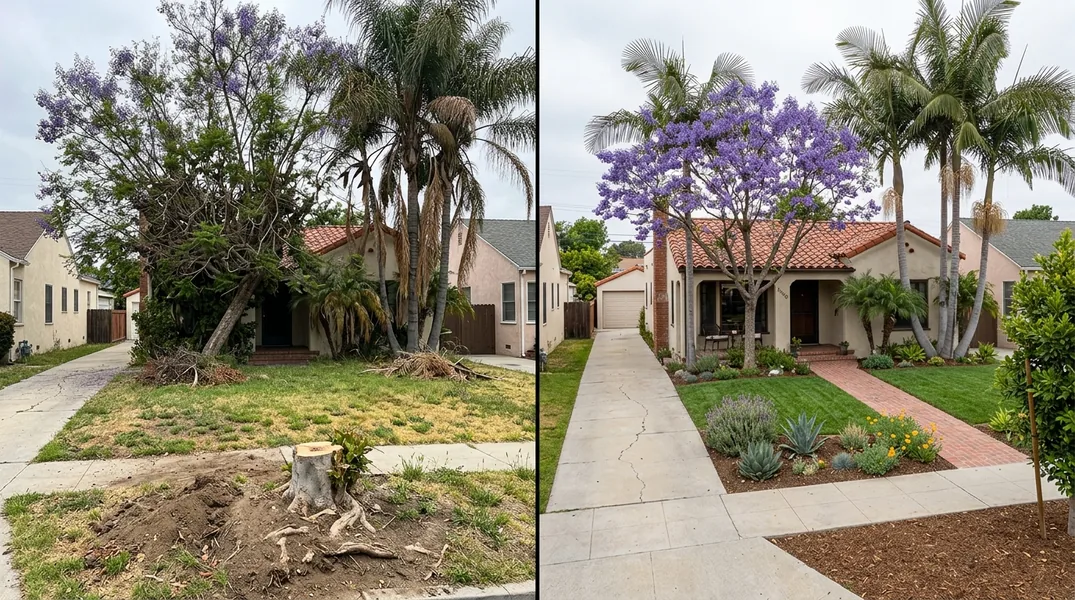
Immediate Safety: Your First Steps After a Storm
When a tree falls on your property or is severely damaged during a storm, your immediate priority is safety, not cleanup. Before you touch anything or attempt to assess damage, make sure everyone in your household is accounted for and uninjured. If anyone has been hurt, call 911 right away. Once you've confirmed everyone is safe, move away from the fallen tree and keep family members, pets, and neighbors at a distance until a professional can evaluate the situation.
Many homeowners underestimate the dangers posed by a downed tree. Branches may be unstable, power lines could be entangled in the wood, or the tree might shift unexpectedly. Never attempt to cut up a fallen tree yourself or move large branches without professional guidance. Instead, document the scene by taking photographs and videos from a safe distance. These images will become critical evidence for your insurance claim. Capture wide shots showing the tree's position relative to your home, any damage to structures, and close-ups of the damage itself. Make sure the timestamp on your photos is accurate, as insurers often request this information.
Understanding Fallen Tree Insurance in California
California homeowners often have questions about whether their insurance covers tree damage, and the answer is more nuanced than a simple yes or no. Most standard homeowners insurance policies in California will cover damage caused by a fallen tree, but only if the tree falls on a structure like your house, garage, or shed. Coverage typically applies regardless of whether the tree was healthy or diseased at the time of the storm. However, if the tree simply falls in your yard without damaging any structure, your policy may not cover the cost of Tree Removal.
The key distinction in fallen tree insurance California claims is whether the damage was sudden and accidental. Insurance companies are more likely to deny claims if they believe the homeowner failed to maintain the tree. This is why regular Tree Trimming & Pruning becomes important not just for tree health, but for protecting your insurance coverage. If a tree was visibly dead, had obvious disease, or had been neglected for years, your insurer might argue that you should have had it removed preventatively. Document any maintenance work you've had done, and keep records of professional inspections. When you contact your insurance company after a storm, be prepared to explain that the tree was healthy and well-maintained, and that the damage resulted from an act of nature beyond your control.
Documenting Damage: Building Your Insurance Claim
Insurance companies require thorough documentation before they'll approve payment for tree damage. Start by creating a detailed written account of what happened, including the date and time of the storm, weather conditions, and exactly how the tree fell or was damaged. Photograph every angle of the damage, including close-ups of broken branches, crushed fencing, damaged roofing, or any other affected structures. If the tree damaged your home's exterior, photograph both the tree damage and the structural damage side by side so the connection is clear. For damage to your roof, gutter, or siding, take photos from multiple angles and heights if possible.
Next, gather supporting evidence that the tree was healthy before the storm. This might include receipts from recent Tree Trimming & Pruning services, arborist reports, or photographs of the tree taken before the storm showing it in good condition. If you hired a professional tree service to assess the damage, request a written report describing the tree's condition and the cause of failure. This professional assessment carries significant weight with insurance adjusters. Get estimates from reputable Emergency Tree Service providers for the cost of removal and any necessary cleanup. Many insurers will require multiple estimates before approving reimbursement, so don't settle for just one quote.
When to Call Emergency Tree Removal Near Me
Not every fallen tree requires an emergency response, but certain situations demand immediate professional attention. If the tree is blocking your driveway, preventing access for emergency vehicles, or poses a risk to pedestrians or neighboring properties, you need Emergency Tree Service right away. Similarly, if power lines are involved, if the tree has damaged your home's structural integrity, or if large branches are hanging over your roof or a neighbor's property, professional removal should be your next call. In Long Beach, where residential areas are densely populated and many homes are close together, a fallen tree can quickly become a liability issue affecting multiple properties.
The difference between emergency tree removal and standard removal often comes down to timing and risk management. Emergency services typically operate 24/7 and can respond within hours, whereas standard removal might be scheduled days or weeks out. If you're unsure whether your situation qualifies as an emergency, it's worth calling a professional to assess. Long Beach Tree Service offers rapid response for urgent situations, and our team can evaluate whether immediate action is necessary or if the tree can safely wait for standard scheduling. You can reach us at (562) 548-8539 to discuss your specific situation and get guidance on next steps.
Tree Removal Cost in Long Beach: What to Budget
The cost of removing a fallen tree varies significantly based on several factors, including the tree's size, how it fell, whether it's entangled with power lines or structures, and what needs to happen after removal. A small tree that fell cleanly in an open yard might cost $500 to $1,500 to remove, while a large tree that crashed into your home could easily exceed $3,000 to $5,000 or more. Many homeowners are surprised to learn that removal is only part of the expense. If the tree damaged your roof, siding, or landscaping, those repairs represent additional costs. You may also need Stump Grinding if you want the stump completely removed rather than left in place.
When you're getting estimates for removal after storm damage, be specific about what you need. Ask whether the pricing includes debris removal, chipping, and hauling, or if those services cost extra. Some companies charge by the hour, while others quote a flat rate for the entire job. For insurance purposes, you'll want itemized estimates that break down labor, equipment, debris removal, and any other services separately. This makes it easier for your insurer to understand what they're covering. Don't automatically choose the cheapest estimate; instead, prioritize companies with proper licensing, insurance, and experience handling storm damage situations. Request a free estimate from Long Beach Tree Service so you can compare our competitive rates with other local providers.
Working with Your Insurance Adjuster
After you've filed your claim and gathered documentation, your insurance company will send an adjuster to inspect the damage. Prepare for this visit by having all your photographs, written accounts, professional assessments, and removal estimates organized and easily accessible. Walk the adjuster through exactly what happened, pointing out the damage and explaining how the tree fell. If you have before and after photos, show these side by side. The adjuster's job is to determine whether the damage is covered under your policy and to estimate the cost of repairs or removal. Being cooperative, organized, and factual during this process significantly improves your chances of a favorable outcome.
If you disagree with the adjuster's assessment or the amount they're offering to pay, you have options. You can request a second opinion from another adjuster, or you can hire an independent appraiser to evaluate the damage. Keep all communication with your insurance company in writing, either through email or certified mail, so you have a clear record of what was discussed and agreed upon. Don't accept a settlement offer if you believe it's insufficient to cover the actual costs of removal and repairs. In complex cases involving significant damage, some homeowners find it helpful to consult with a public adjuster or attorney who specializes in insurance claims. The goal is to ensure you receive fair compensation that covers the full scope of damage your property sustained.
Looking for a professional tree service contractor in Long Beach? Long Beach Tree Service responds fast for all your tree service needs.
Get a Free QuoteOur services: Tree Removal · Tree Trimming & Pruning · Stump Grinding